





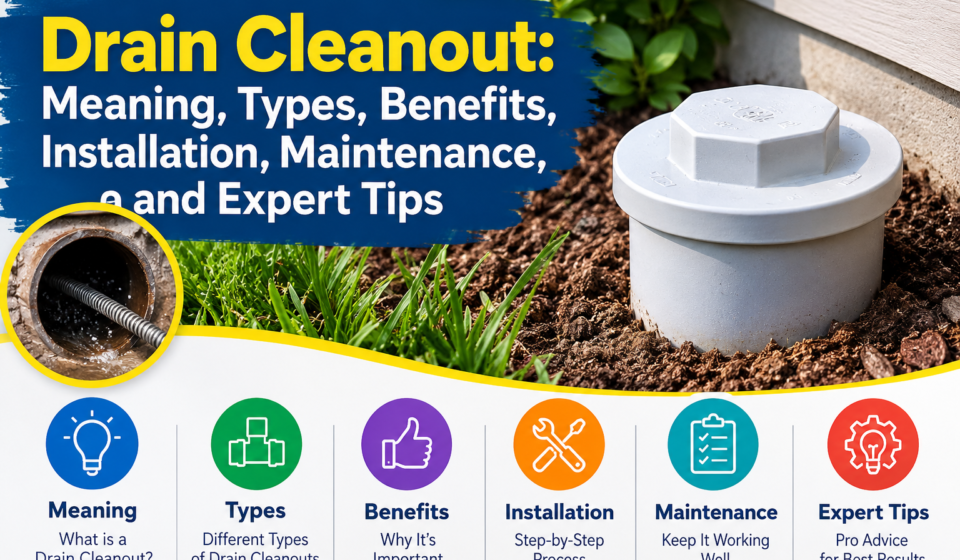
Drain Cleanout: Meaning, Types, Benefits, Installation, Maintenance, and Expert Tips

A drain cleanout is an important part of a plumbing system that helps homeowners and professional plumbers access drainpipes for cleaning, inspection, and blockage removal. It provides a convenient opening into the drainage line, making it easier to clear clogs without removing fixtures, cutting pipes, or taking apart large sections of the plumbing system. Although this small component often goes unnoticed, it can make a big difference when a drain becomes blocked or wastewater stops flowing properly.
Every home needs a reliable drainage system to carry wastewater away from sinks, showers, toilets, washing machines, and other plumbing fixtures. Over time, grease, soap residue, hair, food particles, and other materials can collect inside pipes. Eventually, these materials may restrict water flow and cause unpleasant odors or backups. Fortunately, a properly placed drain cleanout gives plumbers a practical way to reach these problems and restore normal drainage.
Whether you’re a homeowner, property manager, or someone learning about plumbing, understanding how a drain cleanout works can help you recognize drainage problems and make better maintenance decisions. In this guide, we’ll explore its meaning, common types, benefits, location, maintenance, warning signs, and professional cleaning methods.
What Is a Drain Cleanout?
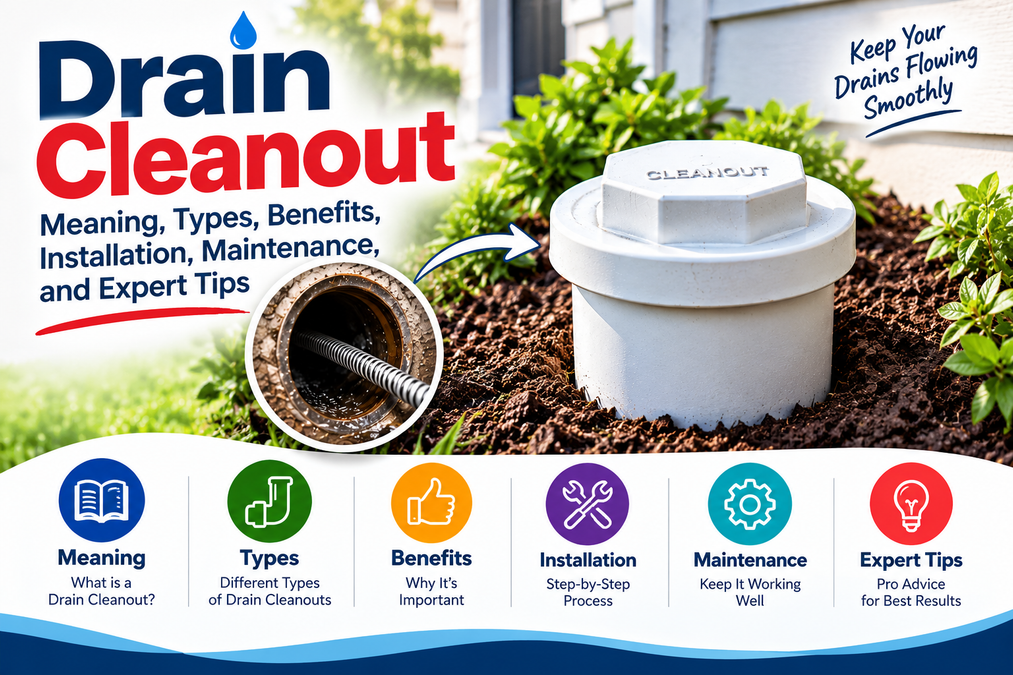
A drain cleanout is an access point installed in a drainage pipe. It usually consists of a threaded plug, cap, or removable fitting that can be opened when a plumber needs to inspect or clean the pipe. Once the cap is removed, suitable plumbing equipment can be inserted into the line to remove obstructions or investigate drainage problems.
Most drain cleanouts are made from materials such as PVC, ABS, cast iron, or other materials compatible with the plumbing system. Their design depends on the pipe size, installation location, building layout, and applicable plumbing regulations. Some cleanouts are visible near a home’s foundation, while others are installed indoors, in utility rooms, or in accessible service areas.
A cleanout doesn’t usually carry out the cleaning itself. Instead, it provides access to the pipe so that the correct tools can do the work. This distinction is important because a cleanout is a maintenance feature rather than a separate drainage machine.
How Does a Drain Cleanout Work?
The process is straightforward. When a drain becomes clogged, a plumber identifies an appropriate access point and carefully removes the cleanout plug. The plumber may then insert a drain snake, inspection camera, or other suitable equipment into the pipe.
Depending on the blockage, the equipment can break up accumulated material, retrieve an obstruction, or help identify damage inside the pipe. After the work is completed, the plumber checks the drainage system and reinstalls the cap securely.
The precise method depends on the cause of the problem. A simple buildup of residue may require a different approach from tree roots, a collapsed pipe, or a blockage caused by an object lodged deep inside the drainage system.
Why Is a Drain Cleanout Important?
A drain cleanout is valuable because it makes plumbing maintenance easier, more efficient, and often less disruptive. Without an accessible cleanout, a plumber might need to work through a fixture opening or find another suitable access point. In some situations, additional dismantling or excavation may be necessary.
Here are some of the main reasons cleanouts matter:
- Easier blockage removal: Plumbers can reach many drain obstructions directly through the drainage line.
- Better inspection: An access opening can help professionals investigate recurring clogs and other drainage issues.
- Reduced disruption: Using an existing cleanout may avoid removing fixtures or opening walls and floors.
- Simpler maintenance: The plumbing system can be serviced more conveniently when access points are correctly positioned.
- Support for troubleshooting: A cleanout may help plumbers determine whether a blockage is located in a branch drain or a larger sewer line.
- Improved long-term care: Regular inspections and timely cleaning can help identify developing problems before they become more serious.
However, a cleanout doesn’t guarantee that every plumbing issue can be fixed easily. A severely damaged pipe, major root intrusion, or collapsed sewer line may require specialized repair or replacement.
Common Types of Drain Cleanout
Drain cleanouts come in different shapes and designs because plumbing systems have different requirements. Selecting the appropriate type depends on the pipe material, location, accessibility, and local plumbing rules.
Main Sewer Line Cleanout
A main sewer line cleanout provides access to the primary drainage line that carries wastewater away from a building. It may be located outside near the foundation or in another approved, accessible position.
This cleanout is particularly useful when multiple fixtures begin draining slowly or wastewater backs up into lower-level plumbing fixtures. These symptoms can sometimes indicate a blockage in the main sewer line rather than an isolated sink or shower clog.
Because the main line may contain wastewater under certain conditions, opening its cleanout can create a mess or expose someone to contaminated material. If a sewer backup is suspected, professional assistance is generally the safest option.
Branch Drain Cleanout
A branch drain cleanout provides access to a smaller pipe that serves a particular area or group of fixtures. For example, it may serve a bathroom, kitchen, laundry room, or another section of the building.
Branch cleanouts help plumbers address localized drainage problems without automatically treating the entire sewer line. If a kitchen sink repeatedly clogs but other fixtures drain normally, a problem in the kitchen branch line may be responsible.
Floor Drain Cleanout
A floor drain cleanout may be installed near a floor drain or within an accessible section of its drainage piping. Floor drains are common in basements, garages, laundry rooms, commercial kitchens, and utility areas.
These drains can collect dirt, lint, soap residue, and other debris. An appropriate cleanout makes it easier to service the connected pipe when routine cleaning of the drain opening isn’t enough.
Not every floor drain has a separate cleanout immediately beside it. The location and design depend on the plumbing layout.
Exterior Drain Cleanout
An exterior cleanout is positioned outside a building, often near the foundation or along an accessible section of the sewer line. It may be covered by a protective cap or housed in a small access box.
Outdoor cleanouts are useful because they provide access without requiring a plumber to work inside the home. However, landscaping, soil, paving, or stored objects can make them difficult to find.
Keep the area accessible, and avoid covering the fitting with permanent structures unless the installation specifically allows for suitable access.
Two-Way Drain Cleanout
A two-way cleanout is designed to provide access in two directions along a drainage line. Depending on the fitting and system layout, this can allow a plumber to work toward the building or toward the municipal sewer connection.
Two-way access can be especially useful when diagnosing blockages whose location isn’t immediately clear. However, the fitting must be correctly selected and installed for the intended drainage arrangement.
Indoor Plumbing Cleanout
Indoor cleanouts may be found in basements, crawl spaces, utility rooms, or accessible wall openings. They can serve branch drains or larger drainage lines.
An indoor cleanout should have a properly secured cap and enough working space for maintenance. If it is hidden behind a panel, the access opening should remain practical to reach rather than being permanently sealed behind finished construction.
Where Is a Drain Cleanout Located?
The location of a drain cleanout varies from one building to another. Plumbing plans, the building’s age, and local construction practices all influence where access points are installed.
Common locations include:
- Near the exterior foundation wall.
- Along the main sewer pipe in a basement or crawl space.
- In a utility room or plumbing service area.
- Near certain branch drainage lines.
- In an accessible outdoor box.
- Along drainage piping where changes in direction or system layout require an access point under applicable rules.
An exterior cleanout may resemble a short pipe with a removable cap sticking out of the ground. Indoor versions may look like a capped fitting attached to a larger pipe.
How to Find a Cleanout at Home
If you’re trying to locate a cleanout, start by reviewing any available plumbing plans or asking a previous owner, property manager, or qualified plumber.
Next, inspect accessible utility areas and the exterior perimeter of the building. Look for a capped fitting that appears connected to a drain or sewer pipe. Don’t confuse it with a water supply valve, irrigation fitting, or unrelated utility access point.
If the cleanout is buried, covered by paving, or difficult to identify, a plumber can help locate it. Avoid digging randomly, since underground water, gas, electrical, and other utility lines may be present.
Signs That Your Drain Cleanout or Drainage System Needs Attention
A cleanout itself may remain functional for years without needing special attention. However, drainage symptoms can indicate that the connected pipe needs inspection or cleaning.
Slow Draining Water
When water drains slowly from a sink, shower, or bathtub, debris may be restricting the pipe. Hair, soap residue, grease, and other materials are common causes.
One slow fixture may indicate a localized clog. If several fixtures drain slowly at the same time, the problem may be farther downstream.
Repeated Drain Clogs
A clog that returns soon after cleaning may suggest that the obstruction wasn’t completely removed. Alternatively, the pipe may have a structural problem, root intrusion, or an unfavorable drainage condition.
Repeatedly treating the symptoms without finding the cause can waste time and money. A plumber may use a drain camera to investigate the line.
Unpleasant Sewer Odors
Persistent sewer-like odors near a cleanout or drain may indicate a loose or damaged cap, a dry fixture trap, a venting issue, or another plumbing problem.
A cleanout cap should be properly fitted and secured. If you notice a strong sewage odor, particularly in an enclosed area, avoid opening the fitting yourself and arrange a professional inspection.
Gurgling Sounds
Gurgling from sinks, tubs, or toilets may occur when air moves abnormally through the drainage system. Possible causes include partial blockages, venting problems, or other drainage defects.
Gurgling alone doesn’t prove that the main sewer line is blocked. Consider it alongside other symptoms, such as slow drainage or backups.
Wastewater Backups
Wastewater coming back through a floor drain, shower, or toilet is a more serious warning sign. When several fixtures are affected, a main sewer line blockage may be responsible.
Stop using affected fixtures and contact a plumber promptly. Sewage can contain harmful microorganisms, so avoid direct contact and keep children and pets away from contaminated areas.
Drain Cleanout Installation: What Homeowners Should Know
Installing a drain cleanout involves more than attaching a cap to a pipe. The correct fitting, pipe size, orientation, location, and access arrangements must match the drainage system and applicable regulations.
A professional plumber generally begins by examining the plumbing layout and identifying an appropriate place for the cleanout. The plumber then selects a compatible fitting and determines how it should connect to the existing pipe.
Important Installation Considerations
Several factors influence a successful installation:
- Accessibility: The fitting should be reachable with suitable maintenance equipment.
- Compatibility: The cleanout must match the pipe material, dimensions, and connection system.
- Secure sealing: The cap and fitting must be designed to close correctly and prevent leakage or the escape of sewer gases.
- Correct positioning: The fitting should provide useful access to the intended section of pipe.
- Code compliance: Local plumbing regulations may specify cleanout locations, spacing, sizes, and access requirements.
- Protection: Outdoor fittings may need protection against damage from landscaping, vehicles, or other activities.
The exact requirements vary by jurisdiction and plumbing system. For that reason, a licensed or appropriately qualified plumber should verify the design before installation.
Can a Homeowner Install a Drain Cleanout?
Some accessible plumbing work may be suitable for a knowledgeable homeowner where local rules permit it. However, installing a cleanout in a main sewer line can involve cutting or modifying drainage piping, managing wastewater hazards, and ensuring that connections remain watertight.
For most homeowners, professional installation is the more reliable choice, particularly when the work involves buried pipes, shared drainage systems, or connections close to the municipal sewer.
Never cut into an unknown pipe simply because it looks like a drain. Confirm its purpose and identify any relevant hazards first.
Professional Drain Cleanout Methods
Plumbers use different methods to clean drainage pipes, depending on the type and location of the blockage. Access through a cleanout can make these methods more practical.
Drain Snaking
A drain snake, also called a drain auger, uses a flexible cable to reach an obstruction. Depending on the tool and blockage, it may break up material or retrieve an object.
Snaking is often useful for certain clogs caused by hair, paper, or accumulated debris. However, it may not fully remove grease buildup or address structural pipe problems.
The appropriate equipment and technique depend on pipe size, material, and condition.
Hydro Jetting
Hydro jetting uses specialized equipment to direct controlled high-pressure water into a drain line. It can remove certain deposits, grease, and debris from pipe walls.
This method can be effective for suitable plumbing systems, but it isn’t appropriate for every pipe. Old, damaged, fragile, or compromised piping may require a different approach.
A professional should assess the line before deciding whether hydro jetting is suitable.
Video Camera Inspection
A plumbing camera allows a professional to view the inside of a pipe. The camera can help identify roots, cracks, displaced joints, recurring deposits, or other problems that ordinary cleaning might not resolve.
Camera inspection is particularly useful when clogs keep returning or when a plumber needs to understand the condition of an underground sewer line.
It can also help distinguish between a removable obstruction and a structural defect that needs repair.
Manual Cleaning
For certain accessible drains, manual removal of visible debris may be sufficient. This can include cleaning a drain cover or removing hair and residue from a suitable fixture trap.
Manual cleaning should only be performed where access is safe and the components are intended to be removed. It isn’t a substitute for professional equipment when the obstruction is deep inside a sewer line.
Drain Cleanout Maintenance Tips
Regular maintenance can help keep a drainage system working properly and make future servicing easier. A cleanout doesn’t necessarily need frequent opening, but its condition and accessibility deserve attention.
Keep the Area Accessible
Avoid placing heavy equipment, permanent structures, or large amounts of stored material over a cleanout. If the fitting is outdoors, maintain the surrounding area so that a plumber can reach it without unnecessary excavation.
Marking its location on a property plan can also save time during an emergency.
Inspect Visible Fittings
Look for visible cracks, corrosion, loose caps, or signs of leakage around accessible cleanouts. If you notice damage, have the fitting assessed rather than trying to force it open.
Some caps may be difficult to remove because of age, corrosion, or accumulated debris. Excessive force can damage the fitting or create a plumbing hazard.
Use Drains Responsibly
Everyday habits have a significant effect on drain performance. Avoid putting cooking grease, coffee grounds, wipes, sanitary products, and other unsuitable materials into drains or toilets.
Even products labeled as flushable may contribute to blockages in some sewer systems. Follow local wastewater guidance and dispose of unsuitable waste in the proper way.
Arrange Periodic Professional Inspections When Needed
Not every household needs a fixed schedule for sewer cleaning. The appropriate maintenance frequency depends on the plumbing system, building age, tree roots, previous blockages, and the way the drains are used.
Properties with recurring problems may benefit from a professional assessment and a maintenance plan tailored to their needs.
Common Drain Cleanout Problems and Their Solutions
Although a cleanout is a simple fitting, several issues can interfere with its use. Identifying the problem helps determine whether routine maintenance or professional repair is needed.
| Problem | Possible cause | Recommended action |
| Cap is difficult to remove | Corrosion, age, or debris | Have a plumber assess and remove it safely |
| Water leaks around the fitting | Damaged cap, seal, or connection | Arrange inspection and repair |
| Sewage odor near the cleanout | Loose cap, damaged fitting, or another plumbing issue | Check the area from a safe distance and contact a plumber |
| Blockage returns repeatedly | Persistent buildup, roots, or pipe damage | Consider professional cleaning and camera inspection |
| Cleanout is buried | Soil, landscaping, or paving work | Have its location identified and access restored safely |
| Several fixtures back up | Possible main sewer line obstruction | Limit water use and seek prompt professional help |
A single symptom can have several causes. The recommended action should therefore be based on a proper assessment rather than an assumption that every drainage problem requires the same treatment.
Safety Precautions When Dealing With a Drain Cleanout
Drainage systems can contain contaminated water, harmful microorganisms, and gases that make careless maintenance dangerous. Even a fitting that appears dry or harmless may release wastewater when opened.
Keep these precautions in mind:
- Don’t open a cleanout when sewage is backing up or the line may be under pressure.
- Avoid direct contact with wastewater and contaminated surfaces.
- Keep children and pets away from sewage spills.
- Never enter a sewer, drain pit, or other confined space.
- Don’t mix chemical drain cleaners or combine them with other cleaning products.
- Avoid using aggressive chemicals that may damage pipes or create hazards for anyone working on the system.
- Contact a qualified plumber when a blockage is severe, recurring, or difficult to identify.
If sewage enters a living area, keep people away from the contaminated section and arrange appropriate cleanup. Extensive contamination may require a qualified restoration service.
Safety should always come before attempting to save money through a do-it-yourself repair.
Drain Cleanout Cost: What Affects the Price?
The cost of drain cleanout work varies widely depending on whether the job involves routine cleaning, inspection, installation, repair, or excavation. There isn’t one price that applies to every property.
Several factors can influence the final bill:
- Type of service: Clearing a simple clog is different from installing a new cleanout or repairing a sewer line.
- Location: An accessible indoor fitting may require less labor than a buried exterior connection.
- Blockage severity: A minor obstruction may be straightforward, while roots or hardened deposits may require specialized equipment.
- Pipe condition: Damaged or fragile piping can complicate the work.
- Equipment requirements: Camera inspection and hydro jetting may add to the service cost.
- Labor and local rates: Prices vary by region, contractor, and the time of service.
- Emergency timing: After-hours or urgent callouts may cost more than scheduled appointments.
How to Manage Drain Cleanout Expenses
Before approving a major repair, ask the plumber to explain the suspected cause, proposed solution, and expected cost. If appropriate, request an itemized estimate that separates labor, equipment, materials, and additional repairs.
For recurring blockages, ask whether a camera inspection could identify the underlying issue. Although inspection adds an upfront expense, it may help prevent repeated spending on temporary fixes.
Compare estimates based on the work included, not price alone. A clear diagnosis and appropriate repair can provide better long-term value than repeatedly clearing the same blockage.
DIY Drain Cleanout vs. Professional Service
Homeowners can safely handle some basic drain maintenance, but more complex problems call for professional equipment and experience.
| Task | DIY suitability | Professional help |
| Removing visible hair from a suitable drain cover | Often suitable | Usually unnecessary |
| Cleaning a removable sink stopper | Often suitable | Helpful if the blockage persists |
| Identifying the location of an accessible cleanout | Usually suitable with care | Useful when the location is unclear |
| Opening a sewer cleanout during a backup | Not recommended | Strongly recommended |
| Removing a deep main-line blockage | Generally unsuitable for inexperienced users | Recommended |
| Diagnosing recurring sewer clogs | Limited | Camera inspection may be appropriate |
| Repairing damaged underground pipes | Not suitable for most homeowners | Recommended |
| Installing a new main-line cleanout | Depends on skills and local rules | Recommended for reliable, compliant work |
The best approach is to handle simple, low-risk maintenance when appropriate and call a professional when the problem involves sewage, inaccessible pipes, repeated backups, or possible structural damage.
Common Myths About Drain Cleanouts
Misunderstandings about plumbing access points can lead to unnecessary work or unsafe decisions. Let’s clear up a few common myths.
Myth: Every Drain Problem Needs a New Cleanout
A new cleanout isn’t automatically necessary whenever a drain becomes blocked. The property may already have a suitable access point, or the problem may be resolved through an existing fixture opening.
A plumber should first determine whether the current access points are adequate for the required work.
Myth: A Cleanout Removes Clogs by Itself
A cleanout is an access fitting, not an automatic cleaning device. Removing a blockage still requires an appropriate method, such as snaking, hydro jetting, or another suitable intervention.
Myth: Chemical Cleaners Solve Every Blockage
Chemical products may help with some minor clogs, but they won’t reliably solve every obstruction. They may also damage certain pipes, create dangerous reactions when mixed, or expose plumbers to hazardous chemicals during later work.
Follow product labels carefully and seek professional advice for persistent problems.
Myth: A Cleanout Never Needs Inspection
Although cleanouts may last for many years, their caps, seals, and surrounding pipes can deteriorate. Visible damage, odors, leakage, or recurring drainage problems are reasons to arrange an inspection.
Choosing a Reliable Drain Cleanout Professional
Selecting a qualified plumbing professional can help protect your property and reduce the chance of repeat problems. A reliable provider should explain the diagnosis clearly, recommend an appropriate solution, and describe any limitations of the proposed work.
Before hiring someone, consider the following:
- Verify the contractor’s license or qualifications where required.
- Ask about experience with the specific type of drainage system.
- Request a written estimate before approving significant work.
- Confirm whether camera inspection or other diagnostic services are available.
- Ask whether the proposed method is suitable for your pipe material and condition.
- Clarify any warranties, follow-up services, and additional charges.
- Check relevant reviews and references where available.
Be cautious of anyone who promises a guaranteed solution without examining the problem or who recommends expensive replacement work without explaining the evidence.
Good plumbing service should combine practical expertise, clear communication, appropriate safety measures, and a solution that fits the actual condition of the drainage system.
Frequently Asked Questions About Drain Cleanout
What is the main purpose of a drain cleanout?
The main purpose of a drain cleanout is to provide access to a drainage pipe for inspection, cleaning, and blockage removal. It allows plumbers to reach many obstructions without dismantling large sections of the plumbing system.
Where is a main sewer line cleanout usually located?
A main sewer line cleanout is often found near the exterior foundation, in a basement, or along an accessible section of the sewer pipe. The exact location varies by property and plumbing layout.
How do I know if my home has a drain cleanout?
Check accessible utility areas, basements, crawl spaces, and the exterior perimeter for a capped fitting connected to a drain line. If you’re unsure which fitting serves the sewer system, ask a qualified plumber to identify it.
Can I open a drain cleanout myself?
Some cleanouts may be accessible, but opening a sewer cleanout can expose you to contaminated water or a sudden release of wastewater. Avoid opening one when backups, pressure, or strong sewage odors are present. If the situation is uncertain, contact a professional.
How often should a drain cleanout be serviced?
There is no universal cleaning schedule for every home. Maintenance depends on pipe condition, usage, tree roots, and previous blockages. A plumber can recommend a suitable schedule if your property has recurring drainage issues.
Is a drain cleanout the same as a floor drain?
No. A floor drain is an opening designed to collect water from a floor and direct it into the drainage system. A drain cleanout is an access fitting used to inspect or service the pipe. Some systems have both.
Does a drain cleanout prevent clogs?
A cleanout doesn’t prevent clogs on its own. Instead, it makes it easier to access the pipe when cleaning or inspection is necessary. Good waste-disposal habits and appropriate maintenance can help reduce the risk of blockages.
What should I do if sewage comes out of a cleanout?
Stay away from the spill, stop using affected plumbing fixtures, and contact a qualified plumber promptly. Keep children and pets away from the contaminated area, and arrange appropriate cleanup. Don’t attempt to open or manipulate the fitting further.
Can tree roots cause problems in a drain cleanout system?
Yes. Tree roots can enter damaged joints or openings in underground sewer pipes and gradually restrict wastewater flow. A camera inspection can help identify root intrusion and determine whether cleaning or pipe repair is required.
Is hydro jetting safe for every drainpipe?
No. Hydro jetting uses high-pressure water and may be unsuitable for damaged, fragile, or compromised pipes. A professional should assess the pipe’s material and condition before choosing this method.
Conclusion: Why Drain Cleanout Matters for Every Plumbing System
A drain cleanout is a small but essential plumbing feature that provides convenient access to drainpipes for cleaning, inspection, and troubleshooting. By making it easier to reach blockages, it can reduce disruption, support effective maintenance, and help plumbers identify problems before they become more serious.
Understanding the different types of cleanouts, knowing where they may be located, and recognizing warning signs such as slow drainage, recurring clogs, unpleasant odors, and wastewater backups can help you make informed decisions about your property’s plumbing. Simple habits, including keeping unsuitable materials out of drains and maintaining access to visible fittings, can also support a healthier drainage system.
Most importantly, a cleanout should be used with appropriate care. Sewage backups, damaged fittings, deep blockages, and suspected sewer-line defects are best handled by qualified professionals. With the right combination of responsible daily habits, timely inspections, and expert service, a properly maintained drain cleanout can remain a valuable part of a dependable plumbing system for years to come.
Stay in touch to get more updates & news on Trend Info Here!
