





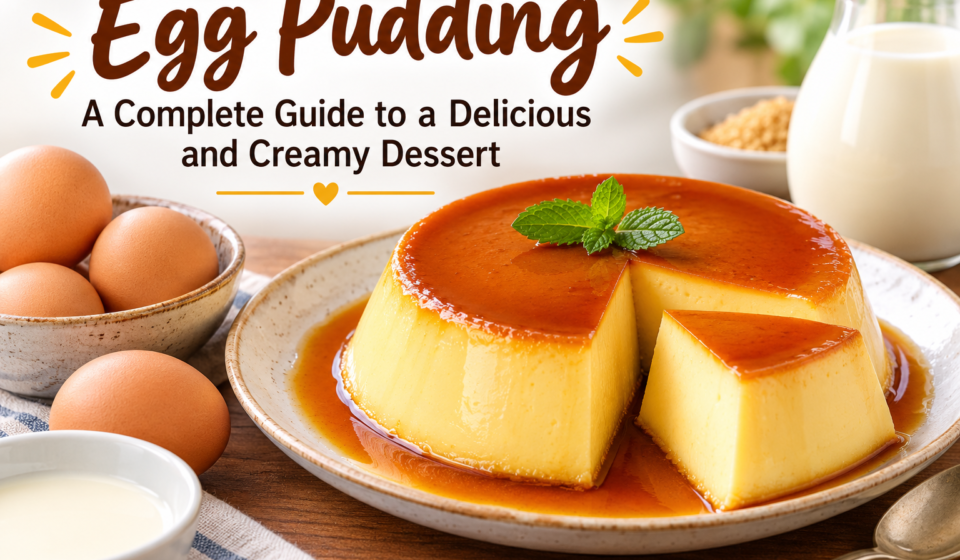

Egg pudding is a smooth, creamy, and delicious dessert enjoyed by people in many parts of the world. Made with simple ingredients such as eggs, milk, sugar, and flavorings, this classic treat is loved for its soft texture and rich taste. It can be served after dinner, prepared for family gatherings, or enjoyed as a sweet snack during the day. Best of all, egg pudding doesn’t require a long list of expensive ingredients, making it a practical choice for home cooks.
One of the most appealing things about egg pudding is its simplicity. Eggs help the mixture become firm and creamy when heated, while milk gives it a smooth texture. Sugar adds sweetness, and ingredients such as vanilla, cardamom, or caramel can create different flavors. Although the basic recipe is easy to understand, small changes in cooking time, temperature, and ingredient amounts can make a big difference to the final result.
Egg pudding is also a flexible dessert. Some recipes use caramel at the bottom of a mold, while others focus on the natural flavor of milk and eggs. It can be steamed, baked in a water bath, or prepared using other suitable cooking methods. Depending on the recipe, the finished dessert may be light and delicate or rich and firm.
This guide explains everything you need to know about egg pudding, including its ingredients, preparation methods, popular varieties, nutritional value, possible health benefits, common mistakes, and serving ideas. Whether you’re making it for the first time or trying to improve your cooking skills, you’ll find helpful information to make a delicious pudding at home.
What Is Egg Pudding?
Egg pudding is a dessert made by combining eggs with milk or another liquid, usually with added sugar and flavorings. The mixture is cooked gently until it sets into a soft, spoonable dessert.
The science behind egg pudding is simple. Raw eggs contain proteins that change when exposed to heat. As the mixture warms, these proteins form a structure that holds the liquid together. This process is called coagulation.
When cooked correctly, the egg proteins create a smooth texture. However, if the mixture becomes too hot or cooks too quickly, the proteins can tighten and push out moisture. This may cause the pudding to become grainy, rubbery, or watery.
That’s why gentle heat is so important.
Egg pudding can be served warm, at room temperature, or chilled. Many people prefer it cold because the texture becomes firmer after refrigeration. Others enjoy it slightly warm, especially when it has been freshly steamed or baked.
Main Characteristics of Egg Pudding
A well-made egg pudding usually has the following features:
- Smooth texture: The pudding should feel soft and creamy rather than rough or grainy.
- Balanced sweetness: Sugar should improve the flavor without overpowering the taste of the eggs and milk.
- Pleasant aroma: Vanilla, caramel, or mild spices can give the dessert an inviting smell.
- Even consistency: The mixture should set properly without separating into solid and watery layers.
- Delicate flavor: The taste should be rich but not overly heavy.
The exact texture depends on the number of eggs, the amount of milk, the cooking method, and the time allowed for cooling.
The History and Popularity of Egg Pudding
Egg-based custards have a long history in cooking. Across many cultures, cooks have combined eggs and milk to create sweet and savory dishes. Over time, different regions developed their own versions by changing the ingredients, cooking techniques, and flavors.
Egg pudding is closely related to custards and other traditional milk-based desserts. Some varieties are baked, while others are steamed or cooked in special molds.
In several Asian countries, steamed egg puddings are popular because they can be made with basic kitchen ingredients and prepared without an oven. In other places, baked custards and caramel puddings are common choices for family meals and celebrations.
Caramel egg pudding is especially well known in many parts of the world. It combines a soft egg custard with a layer of caramel that becomes a sweet sauce when the pudding is turned out onto a plate.
In South Asian households, desserts made with milk, eggs, sugar, and flavorings are also enjoyed in different forms. Home cooks may add cardamom, saffron, or other familiar ingredients to suit local tastes.
Although recipes differ, the basic idea remains the same: simple ingredients are transformed into a satisfying dessert through careful cooking.
Today, egg pudding continues to be popular because it is affordable, adaptable, and easy to prepare. It can be made for a small family or served to guests at a special gathering. With the right technique, even a beginner can create a dessert that looks attractive and tastes wonderful.
Essential Ingredients for Making Egg Pudding
A successful egg pudding starts with good ingredients. You don’t need complicated products or special equipment for a basic recipe. In fact, using fresh ingredients and measuring them correctly is often more important than adding many extra flavors.
Eggs
Eggs are the main setting ingredient in egg pudding. Their proteins form a soft structure when heated, helping the liquid mixture turn into a custard.
Fresh eggs with no cracks are a sensible choice. The number of eggs affects the final texture: using more eggs generally creates a firmer pudding, while a higher milk-to-egg ratio can produce a softer result.
For a delicate pudding, avoid adding too many eggs unless the recipe calls for them.
Milk
Milk provides moisture, flavor, and a creamy texture. Whole milk often produces a richer result, while lower-fat milk may create a lighter pudding.
The milk should be measured carefully. Too much milk can prevent the pudding from setting firmly, while too little may make it dense.
Some recipes use evaporated milk or a combination of milk and cream for a richer dessert. These ingredients can change the taste and texture, so it’s best to follow a tested recipe when making substitutions.
Sugar
Sugar adds sweetness and helps balance the natural flavor of eggs and milk.
White sugar is commonly used because it dissolves easily and has a mild taste. Brown sugar can add a deeper, caramel-like flavor, although it may change the color of the pudding.
The amount of sugar can be adjusted to suit personal preferences, but very large changes may affect the texture or cooking behavior of certain recipes.
Vanilla and Other Flavorings
Vanilla is a popular addition because it gives egg pudding a pleasant aroma and helps reduce the perception of an eggy smell.
Other flavoring options include:
- Ground cardamom
- Cinnamon
- Lemon zest
- Orange zest
- Saffron
- Almond extract
Use flavorings in small amounts at first. Their purpose is to support the main ingredients rather than cover them completely.
Caramel
Caramel is optional, but it is an important part of many traditional egg pudding recipes.
It is made by heating sugar until it melts and develops a golden-brown color. The caramel is poured into a heat-safe mold before the custard mixture is added.
As the pudding cooks and later cools, the caramel creates a sweet sauce around the dessert. It also gives the finished pudding an attractive golden surface.
Be careful when making caramel because melted sugar becomes extremely hot and can cause serious burns.
Optional Ingredients
Depending on the recipe, you may also use:
- A small amount of cream for extra richness.
- A pinch of salt to balance sweetness.
- Grated nutmeg for a warm aroma.
- Chopped nuts or fruit for serving.
- Coconut milk for a different flavor.
For the best results, begin with a basic recipe before experimenting with additional ingredients.
How to Make Egg Pudding at Home
Making egg pudding at home is easier than many people expect. With a few basic ingredients, a suitable mold, and gentle cooking, you can prepare a smooth dessert for your family.
The following recipe is a simple caramel egg pudding that doesn’t require an electric mixer or complicated equipment.
Ingredients for Homemade Egg Pudding
This recipe makes approximately four small servings, depending on the size of your molds.
| Ingredient | Quantity | Purpose |
| Eggs | 3 large | Help the pudding set |
| Whole milk | 500 ml | Provides moisture and creaminess |
| White sugar for custard | 4 tablespoons | Adds sweetness |
| White sugar for caramel | 4 tablespoons | Creates the caramel sauce |
| Vanilla extract | 1 teaspoon | Adds flavor |
| Water for caramel | 1 tablespoon | Helps the sugar melt evenly |
You can adjust the sweetness slightly to suit your taste. However, it’s best to follow the quantities closely when making the recipe for the first time.
Equipment You Will Need
Prepare these kitchen items before you start:
- A medium mixing bowl
- A whisk or fork
- A fine-mesh strainer
- A small saucepan
- Four small heat-safe pudding molds or ramekins
- A deep baking dish or steamer
- A measuring cup and spoons
- A spoon or small spatula
- A plate for serving
Using the correct equipment makes the process easier and helps reduce the chance of mistakes.
Step-by-Step Preparation
Prepare the caramel
Place four tablespoons of sugar and one tablespoon of water in a small saucepan. Heat gently until the sugar dissolves and begins to change color.
Continue heating carefully until the caramel becomes golden amber. Don’t stir vigorously once the sugar begins to color, as this may encourage crystallization. You can gently swirl the pan if needed.
Remove the saucepan from the heat and carefully divide the caramel between the pudding molds. Swirl each mold so that the bottom is covered.
Be careful! Caramel is much hotter than boiling water and can cause severe burns. Never touch it with your fingers or taste it while hot.
Warm the milk
Pour the milk into a saucepan and heat it gently until it is warm but not boiling. Remove it from the heat.
Warm milk can help the sugar dissolve, but very hot milk may partially cook the eggs when the ingredients are combined. Allow it to cool slightly if necessary.
Mix the eggs and sugar
Crack the eggs into a mixing bowl. Add the sugar and vanilla extract.
Whisk gently until the ingredients are combined. Avoid whipping too much air into the mixture because excessive bubbles can create tiny holes in the finished pudding.
Combine the ingredients
Slowly pour the warm milk into the egg mixture while whisking gently.
Adding the milk gradually helps prevent the eggs from cooking too quickly. Continue mixing until the liquid looks even and the sugar has dissolved.
Strain the mixture
Pour the custard through a fine-mesh strainer into a jug or bowl.
This step removes small pieces of egg and helps create a smoother texture. If foam forms on the surface, skim it off with a spoon.
Fill the molds
Carefully pour the custard mixture into the prepared molds over the caramel.
Leave a little space at the top to prevent spills. Cover each mold loosely with heat-safe foil if your cooking method requires it.
Cook the pudding gently
You can bake or steam the pudding. Choose one of the methods described in the next section.
Cool and refrigerate
Once the pudding has set, remove it carefully from the heat. Allow it to cool before refrigerating.
Cover the molds and chill the pudding until cold and firm. For the best texture, allow several hours for cooling.
Serve the pudding
To remove the pudding from its mold, run a thin knife gently around the edge. Place a serving plate over the mold and carefully turn both over.
Lift the mold slowly and allow the caramel sauce to flow over the pudding.
There you have it: a homemade dessert with a smooth center and a glossy caramel topping!
Different Ways to Cook Egg Pudding
One of the best things about egg pudding is that it can be prepared using different cooking methods. Each method has advantages, and the right choice depends on your kitchen equipment and preferred texture.
Baked Egg Pudding
Baking is a reliable way to prepare a traditional custard. The pudding is placed in a deep baking dish containing hot water, creating a water bath.
This method helps the custard heat gently and evenly. It also reduces the risk of the edges becoming overcooked before the center sets.
To bake egg pudding:
- Preheat the oven to approximately 160°C (320°F).
- Place the filled molds inside a deep baking dish.
- Pour hot water into the larger dish until it reaches about halfway up the sides of the molds.
- Carefully transfer the dish to the oven.
- Bake until the custard is mostly set, with a slight wobble in the center.
- Check for doneness and allow the pudding to cool.
Cooking time depends on the size and shape of the molds, the oven, and the depth of the custard. Small molds may cook faster than one large pudding, so begin checking early rather than relying on a fixed time.
Always handle the hot water bath carefully when removing it from the oven.
Steamed Egg Pudding
Steaming is a useful option for people who don’t have an oven.
To steam egg pudding, place the filled molds on a rack inside a covered steamer or suitable pot containing gently simmering water.
Keep the water below the top of the molds. Cover the pudding molds loosely if appropriate, and maintain gentle heat throughout cooking.
Avoid vigorous boiling because strong heat can cause the custard to cook unevenly. If condensation forms on the lid, you can wrap the lid in a clean cloth, keeping the cloth securely away from the heat source and water.
The pudding is ready when the center has set but remains slightly soft.
Egg Pudding in a Pressure Cooker
A pressure cooker may also be used when the appliance and recipe support this method.
However, pressure cooking can heat custard quickly, making it easier to overcook. Follow the manufacturer’s instructions and use a tested recipe designed for your particular cooker.
Never fill the pressure cooker beyond its permitted limit, and don’t block its valves.
For beginners, ordinary steaming or baking in a water bath is often easier to control.
Comparing Cooking Methods
| Cooking method | Main advantage | Main challenge | Suitable for |
| Baking in a water bath | Gentle, even heating | Requires an oven and careful handling of hot water | Traditional custard pudding |
| Steaming | No oven needed | Heat and condensation must be controlled | Home kitchens with a steamer |
| Pressure cooking | Can be convenient and quick | Timing and pressure require care | Experienced users following a tested recipe |
Whichever method you choose, gentle heat is the key to a smooth result.
Popular Types of Egg Pudding
Egg pudding has many variations. By changing the flavorings, cooking method, or topping, you can create a dessert that suits different tastes and occasions.
Classic Caramel Egg Pudding
Classic caramel egg pudding combines a soft custard with a golden caramel sauce.
It is often served chilled and turned out onto a plate. The caramel flows over the sides, giving the dessert an attractive appearance.
This version is a great choice for family dinners, celebrations, and special occasions.
Vanilla Egg Pudding
Vanilla egg pudding focuses on the creamy flavor of milk and eggs, supported by the sweet aroma of vanilla.
It can be prepared with or without caramel. Some cooks serve it in individual cups instead of turning it out of a mold.
This is a good option for people who prefer a simple dessert without a strong topping.
Steamed Egg Pudding
Steamed egg pudding is prepared using gentle steam instead of an oven.
Depending on the recipe, it can be very soft and delicate. Some versions use little or no caramel, allowing the flavor of the custard to stand out.
It is especially practical for households that don’t have an oven.
Cardamom Egg Pudding
Cardamom egg pudding adds a warm, fragrant flavor to the traditional recipe.
A small pinch of ground cardamom can complement milk and eggs without overpowering them. Some cooks may also use a little saffron for a richer aroma and color.
This variation can appeal to people who enjoy South Asian dessert flavors.
Chocolate Egg Pudding
Chocolate egg pudding combines the texture of custard with the rich taste of chocolate.
Unsweetened cocoa powder or melted chocolate may be used, depending on the recipe. Since chocolate changes the sweetness and texture, the quantities of sugar and other ingredients may need adjustment.
This version is particularly appealing to chocolate lovers.
Coconut Egg Pudding
Coconut egg pudding uses coconut milk in place of some or all of the dairy milk.
It offers a different flavor and can be useful for people who enjoy tropical ingredients. However, coconut milk has a different fat and water content from cow’s milk, so the finished texture may vary.
People with milk allergies should check every ingredient carefully and use a recipe that avoids dairy completely if needed.
Fruit-Flavored Egg Pudding
Some egg pudding recipes are served with fresh fruit, fruit sauces, or small amounts of fruit puree.
Mango, strawberries, and berries can complement the creamy texture. However, adding large amounts of liquid fruit puree directly to a custard can affect how well it sets.
For reliable results, serve fruit on top or use a tested recipe designed for fruit-based custards.
Tips for Making Smooth and Creamy Egg Pudding
A few small changes can improve your results. Even experienced home cooks sometimes need to adjust their technique because eggs, molds, and cooking equipment behave differently.
Use the Correct Egg-to-Milk Ratio
Eggs give pudding its structure. If you use too few eggs, the mixture may remain too soft. If you use too many, the pudding can become firm or rubbery.
For a dependable result, start with a tested recipe and measure the ingredients carefully.
Avoid Overheating the Mixture
High heat can cause egg proteins to tighten too quickly. This may lead to a grainy texture or small holes.
Use gentle heat and avoid boiling the custard. When baking, the water bath helps slow down the heating process.
Strain Before Cooking
Straining the mixture removes strands of egg white and other small particles that might affect the texture.
It also helps remove some bubbles, especially when combined with gentle mixing.
Don’t Whisk Too Hard
Whisking is necessary to combine the ingredients, but excessive beating adds air.
Air bubbles can create holes in the finished pudding. Mix slowly and stop once the ingredients are evenly combined.
Allow Enough Time for Cooling
Egg pudding often becomes firmer as it cools. Cutting or unmolding it while it is still hot may cause it to break apart.
Allow it to cool before refrigeration, and give it enough time to chill fully.
Choose the Right Mold
Shallow molds usually heat faster than deep ones. A large pudding may take longer to cook than several small portions.
Use molds of a similar size when preparing several servings so they cook more evenly.
Check for Doneness Carefully
A properly cooked custard should be set around the edges, with only a slight wobble in the center.
If it looks completely liquid, it needs more cooking. If it has become stiff and developed many holes, it may have been overcooked.
Because appearance alone cannot always confirm food safety, follow a reliable recipe and use a food thermometer when appropriate.
Common Egg Pudding Problems and How to Fix Them
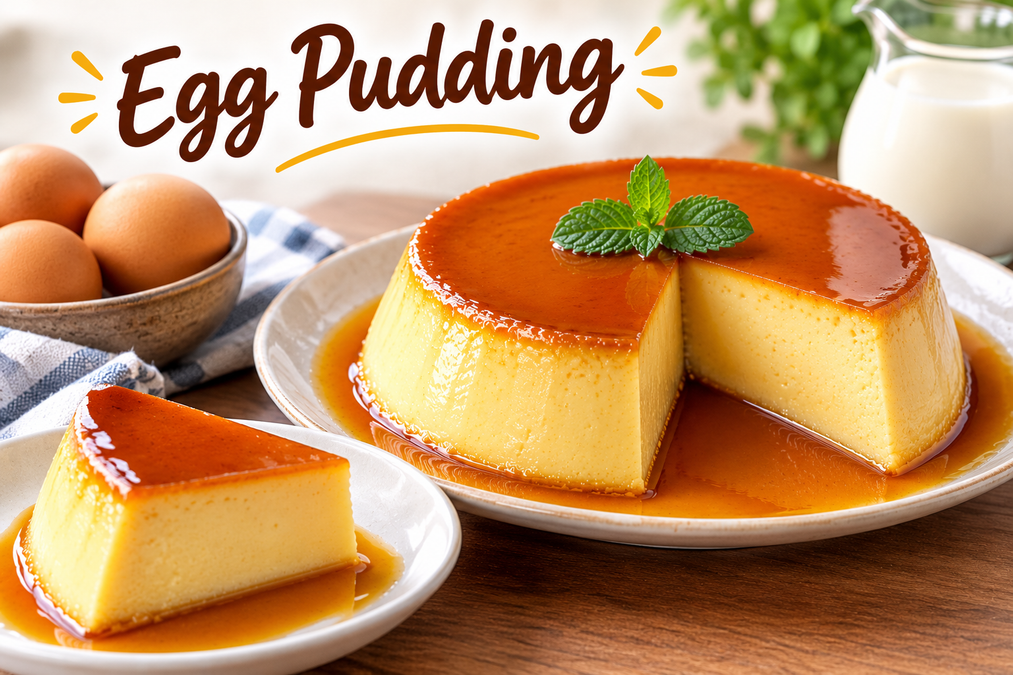
Sometimes, egg pudding doesn’t turn out as expected. It may become too firm, develop holes, or refuse to set. Don’t worry! Most of these problems can be avoided with a few simple adjustments.
Why Is My Egg Pudding Watery?
Watery pudding can happen when the mixture hasn’t cooked long enough or the egg-to-milk ratio is incorrect. Another possible cause is that the custard has separated because it was heated too quickly.
How to improve it:
- Follow the recipe’s ingredient measurements.
- Cook the pudding gently until it sets.
- Avoid sudden changes in cooking temperature.
- Allow the pudding to cool properly before serving.
If a fully cooked pudding releases a small amount of liquid after refrigeration, it may have been overheated. This is sometimes called weeping.
Why Does Egg Pudding Have Holes?
Small holes inside the pudding often indicate that it was cooked at too high a temperature. The custard may have formed bubbles as the egg proteins tightened.
To prevent this problem, keep the heat gentle and avoid boiling the water in a steamer too vigorously. When baking, use a water bath to help control the temperature.
Also, mix the ingredients slowly to reduce the amount of air trapped in the custard.
Why Is My Egg Pudding Too Firm?
A firm or rubbery texture usually means that the pudding contains too much egg for the amount of liquid or has been cooked for too long.
The solution is to measure the ingredients carefully and check the pudding before the expected cooking time ends.
Remember that the custard will become firmer as it cools, so it doesn’t need to feel completely solid while still hot.
Why Does My Pudding Smell Too Eggy?
An eggy smell may come from the natural aroma of the eggs, especially when the recipe contains few flavorings. Overcooking can also make the egg flavor more noticeable.
Try using fresh eggs, adding a small amount of vanilla, and heating the custard gently.
Cardamom, lemon zest, and other mild flavorings can also complement the mixture.
Why Won’t the Pudding Come Out of the Mold?
Sometimes, egg pudding sticks to its mold because the sides haven’t been loosened or the caramel has become firmly attached.
To release it, allow the pudding to chill completely. Run a thin knife carefully around the edge, place a serving plate over the mold, and turn it over.
If necessary, briefly warm the outside of the mold in lukewarm water to soften the caramel. Avoid overheating it, and take care not to let water enter the pudding.
Nutritional Value of Egg Pudding
Egg pudding provides several nutrients because its main ingredients are eggs and milk. However, its nutritional value depends on the recipe, serving size, and any additional ingredients.
Eggs provide protein and several important nutrients. Milk supplies protein, calcium, and other nutrients, although the exact amounts depend on the type of milk used.
Sugar and caramel contribute additional energy but provide relatively few essential nutrients.
Key Nutrients in Egg Pudding
Protein: Eggs and milk contain protein, which helps the body build and repair tissues. Protein also supports normal growth and the maintenance of muscles.
Calcium: Milk provides calcium, a mineral needed for strong bones and teeth. The amount in a serving depends on the milk used and the size of the portion.
Vitamin B12: Eggs and dairy products can provide vitamin B12, which supports normal nerve function and the formation of red blood cells.
Vitamin A: Eggs and dairy products may contribute vitamin A, which supports normal vision and immune function.
Fat: Eggs and whole milk contain fat, which supplies energy and helps the body absorb certain vitamins.
Carbohydrates: Most of the carbohydrates in a traditional sweet egg pudding come from added sugar and the natural sugar in milk.
Approximate Nutrition Per Serving
The following table gives a general illustration for a small serving of homemade egg pudding made with eggs, whole milk, sugar, and caramel.
| Nutrient | Approximate amount per serving |
| Calories | 150–220 kcal |
| Protein | 5–8 g |
| Carbohydrates | 20–32 g |
| Fat | 5–9 g |
| Calcium | 80–150 mg |
Important: These figures are estimates, not laboratory measurements. Actual values depend on the ingredient quantities, milk type, amount of caramel, and serving size. A recipe calculator using your exact ingredients will provide a more accurate estimate.
Is Egg Pudding Healthy?
Egg pudding can be part of a balanced diet when enjoyed in suitable portions. It provides some useful nutrients, but traditional recipes also contain added sugar.
Whether it is a good choice for you depends on your overall eating habits, portion size, and individual nutritional needs.
Potential Benefits of Egg Pudding
It provides protein. Eggs and milk supply protein that supports growth and tissue repair.
It contains important minerals. Milk provides calcium, which helps maintain normal bones and teeth.
It can be made at home. Homemade pudding allows you to control the ingredients and adjust the sweetness.
It can satisfy a sweet craving. A small serving may help you enjoy dessert without needing a large portion of a richer treat.
It offers flexible serving options. Pudding can be served in small cups, making it easier to manage portion sizes.
Ways to Make Egg Pudding More Balanced
If you’d like a lighter version, consider these practical changes:
- Reduce the added sugar slightly.
- Serve smaller portions.
- Use a recipe with a suitable amount of milk and eggs.
- Add fresh fruit alongside the pudding.
- Avoid adding large amounts of cream or extra sugary toppings.
- Enjoy it as part of a varied diet rather than relying on it as a main source of nutrients.
Keep in mind that reducing sugar too much can change the flavor and texture. It’s best to make small adjustments and check the result.
Who Should Be Careful When Eating Egg Pudding?
People with an egg allergy should avoid ordinary egg pudding. Those with a milk allergy should also avoid versions made with dairy milk unless they use a suitable alternative recipe.
People who need to limit added sugar may wish to choose smaller servings or a less-sweet version.
Most importantly, egg pudding must be cooked and stored safely. Because it contains eggs and milk, it can support the growth of harmful bacteria if handled incorrectly.
Pregnant people, young children, older adults, and people with weakened immune systems should take particular care to avoid undercooked custards. Use pasteurized ingredients and follow reliable food-safety guidance.
How to Store Egg Pudding Safely
Proper storage helps maintain the quality and safety of homemade egg pudding.
Because this dessert contains eggs and milk, it shouldn’t be left at room temperature for long periods.
Refrigeration
Allow the pudding to cool briefly after cooking, then refrigerate it promptly in clean, covered containers.
As a general food-safety rule, perishable foods should not remain at room temperature for more than two hours, or more than one hour when the temperature is above 32°C (90°F).
Keep your refrigerator at or below 4°C (40°F).
For the best quality, eat homemade egg pudding within about three to four days, provided it was prepared and stored safely. If your recipe or local food-safety guidance recommends a shorter period, follow that advice.
Freezing Egg Pudding
Freezing is possible, but it isn’t always the best choice for custard-based desserts.
The texture may change after thawing, becoming grainy or watery. Caramel sauce may also separate or become thinner.
If you decide to freeze a batch, use a freezer-safe container and label it with the date. Thaw it in the refrigerator rather than on the kitchen counter.
Check the texture before serving. If the pudding has an unusual smell, appearance, or signs of spoilage, discard it.
Can You Reheat Egg Pudding?
Egg pudding is commonly served chilled, so reheating usually isn’t necessary.
If you prefer it warm, reheat only the portion you plan to eat, using a suitable method that heats it evenly. Avoid repeated heating and cooling, which can reduce quality and increase food-safety risks.
Creative Ways to Serve Egg Pudding
Egg pudding is attractive on its own, but a few simple additions can make it feel special.
Serve with Fresh Fruit
Fresh strawberries, mango, banana, or berries can add color and flavor. Fruit also gives the dessert a refreshing contrast.
For the best presentation, slice the fruit neatly and arrange a small portion beside the pudding.
Add Chopped Nuts
A light sprinkling of chopped almonds or pistachios can provide extra texture and a pleasant nutty flavor.
Check for allergies before serving nuts to guests, especially children.
Pair with Coffee or Tea
A small serving of egg pudding can be enjoyed with coffee or tea after a meal. The mild flavor of the custard pairs well with the slightly bitter taste of unsweetened drinks.
Make Individual Pudding Cups
Instead of using one large mold, prepare the mixture in small heat-safe cups.
Individual portions are convenient for parties, family dinners, and special occasions. They also make serving easier because each guest receives a separate dessert.
Always make sure the cups are suitable for your chosen cooking method.
Decorate with Caramel
For a classic finish, allow the caramel sauce to flow over the pudding when unmolding it.
You can add a small mint leaf or a few pieces of fruit for color. Keep decorations simple so they don’t overpower the dessert’s creamy appearance.
Egg Pudding for Different Occasions
One reason egg pudding remains popular is that it can be served at many types of gatherings.
Family Meals
Egg pudding makes a pleasant dessert after lunch or dinner. Its simple ingredients are familiar to many people, and individual servings can make family meals feel a little more special.
Birthday Parties
Small pudding cups can be prepared ahead of time and arranged on a serving tray. Add a little fruit or caramel for an attractive finish.
If you’re serving a large group, prepare a test batch first to check the cooking time and serving size.
Festive Gatherings
During holidays and family celebrations, egg pudding can be flavored with cardamom, saffron, vanilla, or other ingredients suited to the occasion.
A decorative serving plate and a smooth caramel topping can make this simple dessert look elegant.
Everyday Snacks
A small portion can also be enjoyed as an occasional snack. Because it contains protein and other nutrients, it may be more satisfying than some sweets that contain little besides sugar.
Nevertheless, egg pudding is still a dessert, so portion size and the amount of added sugar matter.
Frequently Asked Questions About Egg Pudding
What are the main ingredients in egg pudding?
The main ingredients are eggs, milk, and sugar. Vanilla or other flavorings may be added, while caramel is commonly used in many traditional recipes.
Is egg pudding easy to make?
Yes. A basic recipe requires only a few ingredients and simple kitchen equipment. The most important skills are measuring accurately, mixing gently, and cooking at a controlled temperature.
How long does egg pudding take to cook?
Cooking time depends on the mold size and method. Small portions may cook faster than a large pudding. Begin checking early and follow a tested recipe rather than relying on one fixed time.
Can I make egg pudding without an oven?
Yes. Steaming is a useful alternative. Place the filled molds in a suitable steamer and cook gently until the custard sets.
Can I make egg pudding without caramel?
Absolutely. You can prepare a plain vanilla egg pudding or add other flavorings. Caramel is optional unless your chosen recipe specifically requires it.
Why is my egg pudding not smooth?
A grainy texture may result from excessive heat, overcooking, or an uneven mixture. Straining the custard, using a water bath when baking, and avoiding vigorous boiling can help.
Can I reduce the sugar in egg pudding?
Yes, in many recipes you can reduce the sugar slightly. However, the flavor will change, and caramel recipes need sugar to create the topping. Start with a modest reduction rather than removing all the sugar at once.
Is egg pudding suitable for children?
Egg pudding can be suitable for many children when prepared with safe ingredients, cooked properly, and served in an appropriate portion. Children with egg or milk allergies must avoid the relevant ingredients.
How can I tell when egg pudding is ready?
The edges should be set, and the center should have a slight wobble rather than look liquid. Follow a reliable recipe and appropriate food-safety guidance to ensure the custard is fully cooked.
Can egg pudding be prepared in advance?
Yes. You can prepare it ahead of time and refrigerate it in covered containers. This makes it convenient for parties and family meals, provided it is cooled and stored safely.
Conclusion: Why Egg Pudding Is a Dessert Worth Making
Egg pudding is a simple, creamy, and versatile dessert that brings together everyday ingredients to create something special. With eggs, milk, sugar, and a little flavoring, you can prepare a delicious treat that works for family dinners, celebrations, or a quiet evening at home.
Its appeal lies in its flexibility. You can make classic caramel egg pudding, try a fragrant cardamom version, experiment with coconut milk, or serve it with fresh fruit. You can also choose between baking and steaming, depending on the equipment available in your kitchen.
The secret to success is straightforward: measure carefully, mix gently, use controlled heat, and allow enough time for the pudding to cool. By following these steps and storing the dessert safely, you’ll have a much better chance of achieving the smooth texture and pleasant flavor that make egg pudding so enjoyable.
Although egg pudding provides useful nutrients from eggs and milk, it should be enjoyed in sensible portions because many recipes contain added sugar. Small adjustments can help you create a version that suits your preferences without losing its traditional charm.
Ultimately, egg pudding proves that a memorable dessert doesn’t need complicated ingredients or expensive equipment. With a little care, patience, and creativity, you can turn a few kitchen staples into a smooth, satisfying treat that everyone can look forward to enjoying.
Stay in touch to get more updates & news on Trend Info Here!
