





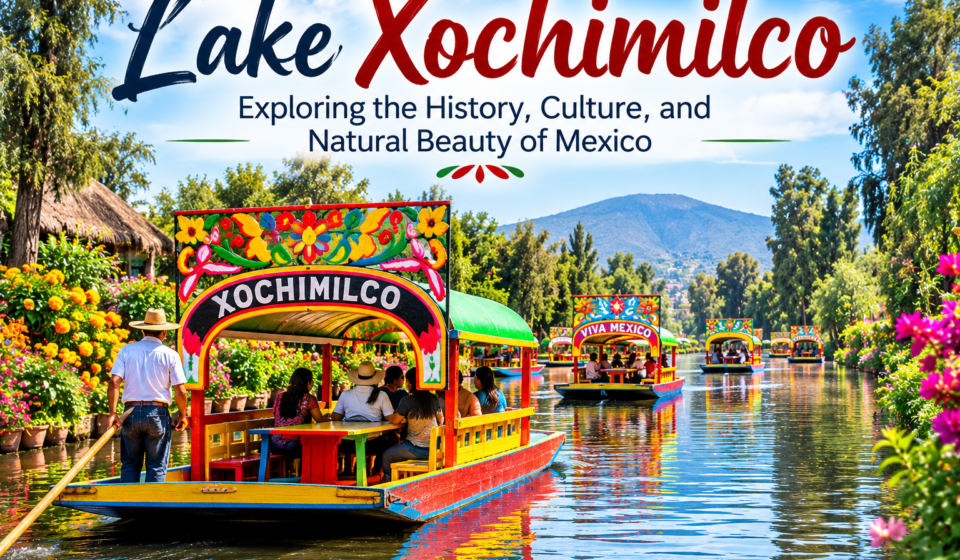

Lake xochimilco is one of the most interesting historical and cultural areas in Mexico. Located in the southern part of Mexico City, Xochimilco is famous for its colorful boats, peaceful waterways, floating gardens, rich traditions, and important natural habitats. Although much of the original lake system has disappeared, the remaining canals and wetlands still offer a glimpse of the region’s remarkable past.
For centuries, the waters of Xochimilco have supported farming, fishing, transportation, and daily life. Long before modern Mexico City developed into a large urban center, Indigenous communities used the area’s lakes and wetlands to grow food and build thriving settlements. Their farming methods showed how people could work with nature to create a reliable source of food.
Today, Xochimilco is known for its traditional trajineras, which are brightly painted boats that carry visitors along the canals. People come here to enjoy music, local food, flowers, and the peaceful atmosphere of the waterways. However, Xochimilco is much more than a tourist attraction. It is also a place of historical importance, cultural pride, and environmental value.
The region faces challenges such as water pollution, urban growth, and the loss of natural habitats. Even so, local communities, researchers, and conservation groups continue to work toward protecting its unique environment.
Understanding lake xochimilco helps readers appreciate the connection between nature, history, and human life. Its story shows why protecting important natural places is essential for future generations.
Where Is Lake Xochimilco Located?
Xochimilco is located in the southern part of Mexico City, the capital of Mexico. The area forms part of the Valley of Mexico, a highland basin surrounded by mountains and volcanoes. In the past, this valley contained a large system of lakes that shaped the lives of the people who lived there.
Xochimilco was once connected to a much larger network of lakes, including Lake Texcoco, Lake Chalco, Lake Xaltocan, and Lake Zumpango. These lakes covered parts of the valley and supported settlements, agriculture, fishing, and trade.
Over time, drainage projects, urban development, and changes in water use greatly reduced the original lake system. Today, Xochimilco’s remaining canals and wetlands preserve part of this historic landscape.
Geographical Features of Xochimilco
Several features make the area special:
- Location: Southern Mexico City, Mexico.
- Landscape: Canals, wetlands, agricultural plots, and small areas of open water.
- Climate: Generally mild to warm, with a rainy season and a drier season.
- Natural surroundings: Mountain views, green fields, flowering plants, and wetland vegetation.
- Human settlements: Traditional neighborhoods, farming communities, markets, and residential areas.
The area’s high elevation also affects its climate. Mexico City lies more than 2,000 meters above sea level, so temperatures can feel cooler than visitors might expect from a country often associated with tropical weather.
The surviving waterways are an important reminder of how the Valley of Mexico looked before centuries of development changed its natural environment.
The Historical Background of Lake Xochimilco
The history of lake xochimilco stretches back many centuries. Indigenous communities settled around the lakes of the Valley of Mexico because the water provided food, transportation, and fertile land for farming.
Among the important groups in the region were the Xochimilca people, whose name is closely connected with Xochimilco. They developed agricultural practices suited to the wetland environment and helped establish the area’s long farming tradition.
Later, Xochimilco became part of the wider political and economic world of central Mexico. The region maintained close links with other communities through trade, agriculture, and waterways.
Life Before Spanish Rule
Before the Spanish conquest in the 16th century, the Valley of Mexico contained an extensive network of lakes and canals. People used boats to move goods and passengers between settlements.
Farmers developed a productive system known as chinampas. These were carefully created agricultural plots built in shallow lake areas. Farmers used mud, plant material, and other natural resources to make fertile beds where crops could grow.
Chinampa agriculture supported the production of vegetables, flowers, maize, and other crops. Because the land was highly productive, farmers could grow food close to the communities that needed it.
This system was not simply a farming technique. It was a way of life that required knowledge of water levels, soil quality, plant growth, and seasonal changes.
Changes During the Colonial Period
After the Spanish conquest, the region experienced major political, social, and environmental changes. New buildings, roads, and farming practices altered the landscape. Over the following centuries, the lakes of the Valley of Mexico were gradually drained or reduced to control flooding and create more land for development.
As Mexico City expanded, the natural water system changed even further. Many lakes disappeared, while canals and wetlands survived in a smaller form.
Despite these changes, Xochimilco retained important parts of its traditional culture. Its canals, farming plots, and community customs continue to connect modern residents with their ancestors.
This long history makes Xochimilco an important place for understanding how people adapted to their environment and how urban development can change natural landscapes.
The Chinampas: An Ancient Farming System
One of the most remarkable features of lake xochimilco is its connection with the chinampas. These traditional agricultural plots demonstrate the skill and creativity of Indigenous farmers.
Chinampas are often described as floating gardens, but this name can be misleading. Most chinampas are not freely floating islands. They are agricultural plots built in shallow water or wetland areas and held in place by soil, vegetation, and other materials.
Trees, especially willows in some areas, may help strengthen their edges. Narrow canals between the plots allow farmers to move around by boat and provide access to water.
How Chinampa Farming Works
The traditional farming system uses several important methods:
- Building fertile plots: Farmers prepare raised beds using soil, mud, and plant material.
- Managing water: Nearby canals provide water for crops and help support the wetland environment.
- Growing different crops: Farmers can cultivate vegetables, herbs, flowers, and other plants.
- Using natural materials: Plant remains and other organic matter can help maintain soil fertility.
- Transporting produce: Boats allow farmers to move crops through the canals.
These methods can make productive use of limited land. In suitable conditions, chinampas allow farmers to grow several crops in a relatively small area.
Why Chinampas Matter Today
Chinampas are valuable for both cultural and environmental reasons. They preserve traditional farming knowledge and provide livelihoods for local growers. Their canals and vegetation can also support birds, amphibians, insects, and other forms of wildlife.
Furthermore, traditional agriculture can offer useful lessons about sustainable food production. By making careful use of water, soil, and organic materials, farmers can maintain productive land without relying entirely on modern industrial methods.
However, chinampa farming faces serious difficulties. Water pollution, changing water supplies, land development, and economic pressure can make traditional farming harder to maintain.
Supporting local farmers, purchasing locally grown products, and protecting the canals can help keep this historic agricultural system alive.
The Famous Trajineras of Xochimilco
One of the most recognizable sights in lake xochimilco is the trajinera, a traditional boat used to carry visitors through the canals. These boats have become a symbol of the area’s cultural identity and are among the main reasons people visit Xochimilco.
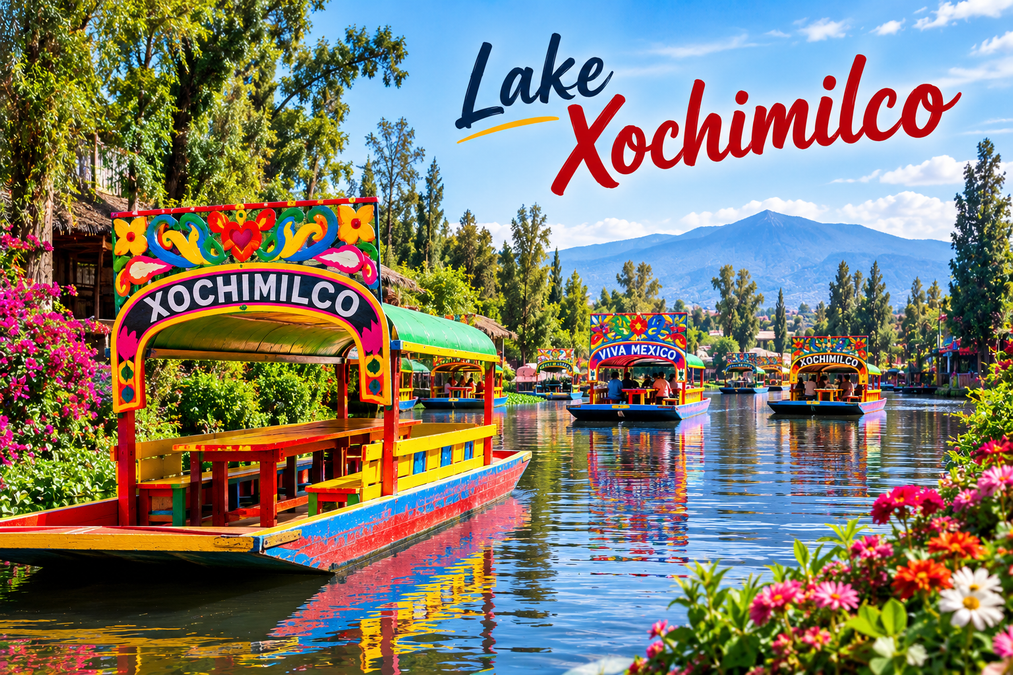
Trajineras are usually flat-bottomed boats with colorful decorations. Many feature painted names, flowers, and bright patterns. Some have large arches covered with artificial flowers, while others display traditional designs that reflect Mexican culture.
Visitors usually sit on benches as a boat operator guides the trajinera through the water using a long wooden pole. The experience is relaxed and social, making it suitable for families, friends, and groups celebrating special occasions.
What Makes a Trajinera Ride Special?
A ride through the canals offers much more than a simple boat trip. Visitors may enjoy:
- Colorful boats passing along narrow waterways.
- Live performances by traditional Mexican musicians.
- Local food and drinks sold by vendors.
- Beautiful views of flowers, trees, and chinampa gardens.
- Opportunities to learn about local traditions and history.
- A chance to observe birds and other wildlife.
Mariachi musicians sometimes travel between boats or perform for visitors who request a song. The music, decorations, and lively atmosphere create an experience that feels different from sightseeing in a busy city.
Food is another important part of the journey. Depending on the location and available vendors, visitors may find tacos, quesadillas, corn-based dishes, snacks, and refreshing drinks. Buying food from local sellers can also help support the people whose livelihoods depend on tourism.
A Celebration of Community Life
Trajineras are often associated with birthdays, family gatherings, anniversaries, and other celebrations. Friends and relatives can spend several hours together while enjoying music and the surrounding scenery.
Nevertheless, visitors should remember that the canals are part of a living community, not simply a tourist attraction. Some waterways are close to working farms, homes, and ecologically sensitive areas.
Respecting local people, following boat operators’ instructions, and avoiding litter help preserve the special character of Xochimilco.
Wildlife and Biodiversity in Lake Xochimilco
Although Xochimilco lies within a large city, its canals and wetlands provide important habitats for wildlife. Water, plants, and muddy banks create living spaces for different kinds of birds, fish, amphibians, insects, and other organisms.
The wetlands are especially important because natural habitats have been reduced as Mexico City has expanded. Remaining wetland areas provide food, shelter, and breeding places for species that depend on freshwater environments.
The Axolotl: A Remarkable Amphibian
The axolotl is one of the best-known animals associated with Xochimilco. Scientifically known as Ambystoma mexicanum, this amphibian is native to the Valley of Mexico.
Unlike many other amphibians, the axolotl usually retains its aquatic features throughout its life. It has feathery external gills, a broad head, and a long tail that helps it swim.
The species has attracted scientific attention because of its unusual development and ability to regenerate certain body parts. Researchers study axolotls to better understand regeneration and biological development.
However, the wild axolotl faces serious threats. Water pollution, habitat loss, invasive fish, and changes in the wetland environment have contributed to its decline.
Protecting the remaining canals and improving water quality are essential steps toward supporting wild axolotl populations.
It is important to understand that seeing an axolotl in the wild is not guaranteed during a visit to Xochimilco. These animals are difficult to spot, and conservation programs often focus on protecting them in controlled or carefully managed habitats.
Birds and Other Animals
Xochimilco’s wetlands also attract many birds. Depending on the season and location, visitors may see herons, ducks, and other water-associated species.
Birds use the wetlands for feeding, resting, nesting, and moving between habitats. Insects and small aquatic organisms also play important roles in the food web.
The area’s wildlife depends on a balance between water quality, vegetation, food supplies, and suitable shelter. When canals become polluted or natural plants disappear, animals can lose the resources they need to survive.
For this reason, wetland protection benefits more than one species. It supports the wider network of life that makes Xochimilco ecologically valuable.
The Cultural Importance of Lake Xochimilco
Xochimilco is more than a landscape of water and gardens. It is a place where traditions, local knowledge, and community identity remain important parts of daily life.
The region’s cultural history is closely connected with its waterways. For generations, residents have used the canals for farming, transportation, trade, and social gatherings.
Traditional farming practices continue to influence the area’s identity. The chinampas show how Indigenous knowledge helped communities make productive use of a challenging wetland environment.
Traditional Festivals and Celebrations
Local festivals and religious celebrations form an important part of community life in Xochimilco. Some events include music, processions, decorations, and gatherings that bring residents together.
The region is also associated with long-standing traditions connected with its neighborhoods and local religious customs. These celebrations help preserve shared memories and pass cultural knowledge from one generation to the next.
Visitors may encounter lively public events, but schedules and activities vary throughout the year. Checking local information before visiting can help travelers find suitable events and understand any special arrangements.
The Legend of La Llorona
Xochimilco is also associated with performances inspired by La Llorona, a well-known figure in Mexican folklore.
In many versions of the legend, La Llorona is a mysterious woman whose cries are heard near water. The details of the story vary, and different communities tell it in different ways.
In Xochimilco, theatrical performances based on the legend have become a cultural attraction during certain seasons. These shows may combine acting, music, lighting, and boat travel to create an atmosphere inspired by local traditions.
The performances offer visitors a way to explore Mexican folklore while experiencing the canals in a different setting.
However, La Llorona is a legendary figure rather than a documented historical person whose story can be confirmed in every detail. Understanding this distinction helps visitors appreciate the legend as an important part of oral tradition and cultural storytelling.
Why Xochimilco Is a UNESCO World Heritage Site
Xochimilco has international importance because of its cultural landscape and historical connection with the ancient lake system of the Valley of Mexico.
In 1987, Xochimilco was included in the UNESCO World Heritage listing for the Historic Centre of Mexico City and Xochimilco. The designation recognizes the area’s cultural significance and its relationship with the wider history of the region.
UNESCO is the United Nations Educational, Scientific and Cultural Organization. It identifies and supports the protection of places considered important to the shared heritage of humanity.
What Makes the Area Special?
Xochimilco stands out for several reasons:
- Historical value: Its canals and agricultural plots preserve evidence of earlier ways of life.
- Traditional farming: The chinampas demonstrate a long history of productive wetland agriculture.
- Cultural identity: Local communities maintain customs linked to the region’s landscape.
- Environmental importance: Wetlands provide habitats for plants and animals.
- Educational value: The area helps researchers and visitors understand the relationship between people and nature.
The UNESCO designation brings attention to the importance of preserving Xochimilco. However, recognition alone cannot protect the area from pollution, urban growth, or habitat loss.
Long-term conservation requires practical action, public awareness, scientific research, and support for the people who live and work there.
In other words, the region’s international recognition is not simply an award. It is also a reminder that its historical and natural value deserves continued care.
Environmental Challenges Facing Lake Xochimilco
Despite its beauty and historical importance, lake xochimilco faces several environmental challenges. The growth of Mexico City has placed increasing pressure on the area’s canals, wetlands, and agricultural land.
These problems are serious, but understanding them can help communities and visitors make better choices. With proper planning and continued conservation, there are opportunities to protect the region for the future.
Water Pollution
Water pollution is one of the main threats to Xochimilco’s canals and wetlands. Wastewater, litter, and other pollutants can harm aquatic plants and animals.
Poor water quality can also affect farming. Crops need suitable water and healthy soil to grow, so pollution may create risks for both agricultural production and local livelihoods.
Improving wastewater treatment, monitoring water quality, and preventing waste from entering the canals are important steps toward solving this problem.
Urban Development
As Mexico City has expanded, housing, roads, and other buildings have placed pressure on the remaining natural areas.
When wetlands are replaced by buildings or paved surfaces, wildlife loses valuable habitat. Development can also change how water moves through the landscape and reduce the amount of land available for traditional farming.
Careful urban planning can help balance the needs of a growing population with the protection of important cultural and natural areas.
Water Shortages
Water management is another major concern. The Valley of Mexico has experienced long-term changes in its water system, and the needs of a large urban population place heavy demands on available supplies.
Xochimilco’s wetlands depend on suitable water levels and water quality. Changes in the amount or source of water entering the canals can affect plants, animals, and farming activities.
Responsible water management is therefore essential for the area’s future.
Threats to Wildlife
Wildlife in Xochimilco faces several connected problems, including habitat loss, pollution, and the presence of non-native species.
For example, introduced fish can compete with native animals for food and may prey on vulnerable species. These changes can disturb the natural balance of the wetland ecosystem.
Protecting wildlife requires more than saving individual animals. It also means maintaining healthy canals, restoring suitable habitats, and controlling environmental threats.
Conservation Efforts and Hope for the Future
Although Xochimilco faces difficult environmental problems, conservation work offers reasons for optimism. Local farmers, researchers, environmental groups, and public institutions have taken steps to protect its waterways and traditional agricultural landscape.
Some projects focus on restoring chinampas, improving water conditions, protecting native species, and encouraging environmentally responsible farming.
Protecting the Axolotl
Conservation programs for the axolotl often focus on improving its habitat and reducing threats to wild populations.
Researchers and local partners study the animal’s needs, monitor its environment, and explore ways to improve conditions in suitable canals.
Some projects also support protected breeding environments and efforts to restore traditional agricultural areas. These approaches can help maintain healthier habitats for native species.
However, breeding axolotls in captivity does not automatically restore wild populations. Long-term success depends on improving natural habitats and addressing the causes of their decline.
Supporting Sustainable Agriculture
Traditional chinampa farming can play an important role in conservation.
Healthy agricultural plots can preserve cultural knowledge, support local food production, and maintain parts of the wetland landscape.
Farmers who use suitable environmental practices may help reduce the impact of agriculture on surrounding waterways. Buying locally produced goods can also support those who continue this traditional work.
How Visitors Can Help
Tourists can contribute to conservation through simple, responsible actions.
- Avoid throwing rubbish into canals or leaving waste behind.
- Follow instructions from boat operators and local guides.
- Respect wildlife and avoid disturbing animals.
- Support local farmers, food sellers, and responsible businesses.
- Choose guided experiences that explain the area’s history and environmental needs.
- Avoid damaging plants or entering restricted agricultural areas.
- Learn about local conservation projects before visiting.
Small actions may seem unimportant on their own, but responsible behavior by many visitors can help protect a shared natural and cultural resource.
Best Time to Visit Lake Xochimilco
Xochimilco can be visited throughout much of the year, although the experience may vary with the weather, local events, and visitor numbers.
Mexico City generally has a rainy season from around May or June through October, while the drier period usually extends from November through April. Exact conditions vary from year to year.
During the rainy season, the surrounding vegetation may look especially green. However, rain can affect outdoor activities, so visitors should check the forecast before leaving.
The drier months often offer more predictable conditions for exploring the canals, although weekends and holidays can still be busy.
Practical Travel Tips
Before planning a trip, keep these suggestions in mind:
- Visit earlier in the day: Morning visits may offer a calmer atmosphere, particularly on busy days.
- Check the weather: Bring suitable clothing for rain or changing temperatures.
- Agree on the price: Confirm the boat rental cost and duration before boarding.
- Bring cash: Some local vendors may not accept cards.
- Wear comfortable clothing: Light layers and comfortable shoes are useful.
- Protect yourself from the sun: Carry sunscreen, a hat, and drinking water.
- Respect local customs: Ask permission before photographing people or private property.
- Plan your transport: Travel time depends on your starting point and traffic conditions in Mexico City.
Visitors should also confirm current operating arrangements and any local restrictions before traveling.
Top Things to Do in Lake Xochimilco
A visit to Xochimilco can include much more than a colorful boat ride. The area offers opportunities to explore local food, traditional agriculture, cultural activities, and wetland scenery.
Enjoy a Trajinera Ride
A boat trip is one of the most popular activities. Travelers can relax on the water, admire the decorations, listen to music, and observe daily life along the canals.
Choosing a suitable route and agreeing on the price in advance can make the experience more enjoyable.
Explore Traditional Chinampas
Learning about chinampa farming provides insight into the area’s history and food production.
Where access is permitted, visitors can learn how farmers prepare the soil, grow vegetables, and manage the land around the canals.
A guided visit may be particularly useful for those interested in agriculture, history, or environmental protection.
Try Local Mexican Food
Food is an important part of the experience. Depending on the location, visitors may find tacos, quesadillas, tamales, corn dishes, and other traditional Mexican foods.
Trying locally prepared dishes can introduce travelers to regional flavors while supporting small businesses.
Discover Local Culture
Cultural events, markets, and neighborhood traditions offer further ways to understand Xochimilco.
Travelers interested in folklore may also look for seasonal performances inspired by La Llorona.
Because events change throughout the year, it is wise to check local schedules rather than assume a particular activity will be available.
Lake Xochimilco Compared With Other Historic Lakes of Mexico
The former lakes of the Valley of Mexico were once part of a connected water system. Each had its own geographical features and historical role.
The following table provides a simple comparison.
| Lake or Area | Historical Importance | Present-Day Significance |
| Lake Xochimilco | Supported traditional agriculture and settlements | Famous for canals, chinampas, tourism, and wetlands |
| Lake Texcoco | Closely connected with the history of the Aztec capital, Tenochtitlan | Associated with major environmental restoration and flood-management projects |
| Lake Chalco | Supported farming and communities in the southeastern valley | Much of the original lake has been drained or transformed |
| Lake Zumpango | Formed part of the northern lake system | Associated with surviving water-management and wetland areas |
These areas should not be viewed as identical. Their geography, history, and modern environmental conditions differ.
Together, however, they help explain how the Valley of Mexico changed from a landscape of interconnected lakes into a densely populated urban region.
Interesting Facts About Lake Xochimilco
Xochimilco contains many details that make it especially interesting to historians, nature lovers, and travelers.
Here are some important facts:
- The name has Indigenous roots: Xochimilco is commonly translated from Nahuatl as “place of the flower field” or “place of flowers,” although interpretations of Indigenous place names can vary.
- The canals are remnants of a larger lake system: They preserve part of the water landscape that once covered large areas of the Valley of Mexico.
- Chinampas are highly productive agricultural plots: These traditional fields demonstrate the skill of Indigenous farmers.
- Trajineras are cultural symbols: Their bright colors and decorations have become closely associated with visits to Xochimilco.
- The axolotl is native to the region: This unusual amphibian is an important focus of scientific study and conservation.
- Xochimilco has international recognition: Its cultural landscape forms part of a UNESCO World Heritage Site.
- Farming remains important: Some residents continue to grow flowers, vegetables, and other crops using traditional methods.
These facts show why Xochimilco deserves attention beyond its popularity as a tourist destination.
Frequently Asked Questions About Lake Xochimilco
Is Lake Xochimilco still a lake?
Much of the original lake has disappeared or been transformed. Today, the name Xochimilco is most closely associated with its surviving canals, wetlands, and traditional agricultural areas. These waterways are remnants of a much larger historic lake system.
Why is Lake Xochimilco famous?
Xochimilco is famous for its colorful trajineras, traditional chinampa farming, historical canals, cultural celebrations, and native wildlife. It is also known for its connection with the endangered axolotl.
Can visitors see axolotls in Lake Xochimilco?
Wild axolotls are difficult to find, and visitors should not expect to see one during an ordinary boat ride. Conservation programs focus on protecting the species and improving the habitats it needs to survive.
Is Xochimilco suitable for families?
Yes. A trajinera ride can be an enjoyable activity for families, friends, and groups. Visitors should follow local safety instructions, supervise children near the water, and choose a suitable boat operator.
How long should visitors spend in Xochimilco?
Many travelers set aside a few hours for a boat ride and time to explore the surrounding area. Those interested in traditional farming, local culture, and conservation may prefer a longer visit.
Why is protecting Xochimilco important?
Protecting Xochimilco helps preserve an important cultural landscape, traditional farming knowledge, wetland habitats, and endangered wildlife. It also supports the local communities whose lives and livelihoods remain connected to the canals.
Conclusion: Protecting Lake Xochimilco for Future Generations
Lake xochimilco is a remarkable part of Mexico’s natural and cultural heritage. Its remaining canals, traditional chinampas, colorful trajineras, and rich history offer a valuable connection to the past while continuing to support life in modern Mexico City.
The region demonstrates how human communities can adapt to their environment and develop productive ways to use natural resources. Its traditional farming system provides lessons about food production, water management, and the value of local knowledge. At the same time, its wetlands support wildlife and provide essential habitats for species such as the endangered axolotl.
Nevertheless, pollution, urban growth, and environmental changes threaten the area’s future. Protecting Xochimilco requires cooperation among residents, farmers, researchers, public authorities, and visitors. Better water management, responsible tourism, habitat restoration, and support for traditional agriculture can all contribute to its long-term survival.
For travelers, a visit offers an opportunity to enjoy Mexican music, local food, historic waterways, and beautiful scenery. For researchers and conservationists, the region provides important lessons about protecting biodiversity in a growing city. For local communities, it remains a place of identity, livelihood, and cultural pride.
Ultimately, lake xochimilco is much more than a collection of canals. It is a living reminder of the relationship between people, water, and nature. By valuing its history and supporting its conservation, we can help ensure that this extraordinary landscape continues to inspire and benefit future generations.
Stay in touch to get more updates & news on Trend Info Here!
